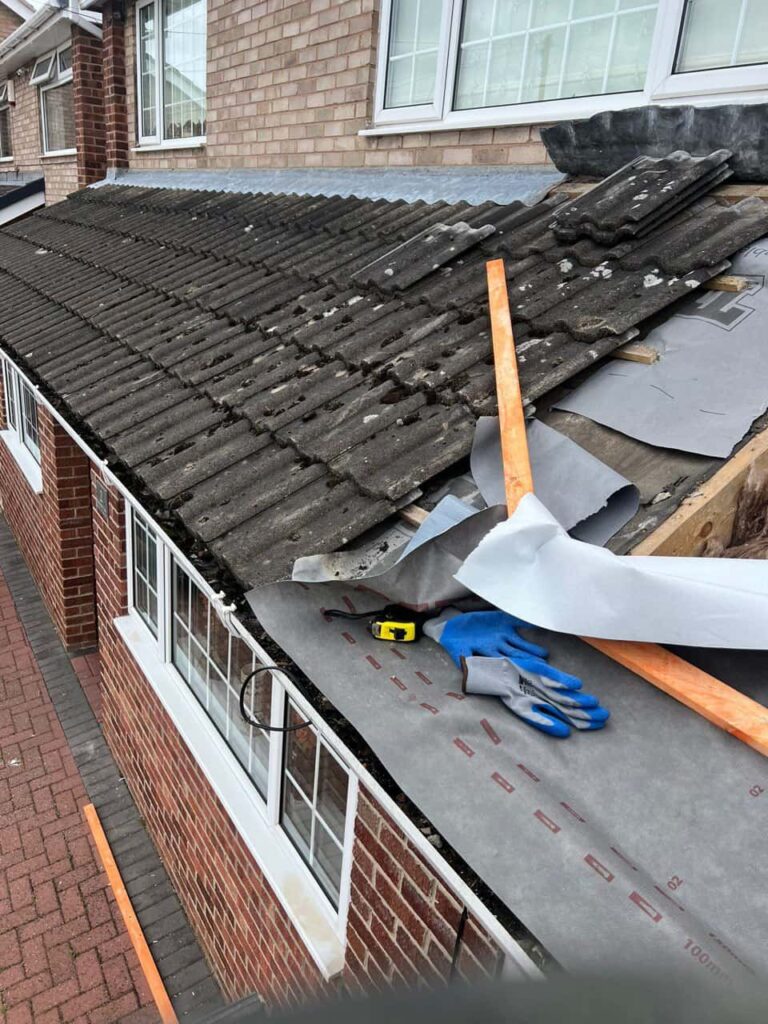
A slipped roof tile can appear to be a minor issue, but when tiles continue to move or fall out of position, it often points to a deeper problem within the roof structure. Repeated tile slipping should never be ignored, as it can leave the roof vulnerable to water ingress and further deterioration. For homeowners in Brownhills, understanding the underlying causes is key to achieving a lasting solution rather than temporary fixes.
At Brownhills Roofing Repairs, recurring tile movement is a common reason for professional roof inspections.
1. Deteriorated Fixings
Over time, the nails or clips securing roof tiles can corrode, loosen, or fail altogether. When fixings lose their grip, tiles are no longer held firmly in place and can begin to slip, particularly during windy conditions.
Replacing tiles without addressing failing fixings often results in the same problem reappearing.
2. Worn or Decaying Battens
Battens provide the structural support that tiles rest upon. If battens become weakened through age or moisture exposure, they may no longer support the tiles effectively.
This loss of support allows tiles to move out of alignment, even if the tiles themselves are still in good condition.
3. Ageing Roof Underlay
Underlay acts as a secondary barrier beneath the tiles and also contributes to overall roof stability. As underlay ages, it can become brittle or torn, reducing its ability to support the tile system.
When underlay deteriorates, tiles may shift more easily, especially during periods of poor weather.
4. Poor Original Installation
In some cases, repeated tile slipping can be traced back to incorrect installation. Inadequate fixing patterns, incorrect spacing, or unsuitable materials can all compromise tile stability from the outset.
These installation issues often only become apparent years later, once the roof has been exposed to prolonged weathering.
5. Roof Movement Over Time
All buildings experience some degree of movement as they settle. Small shifts in the roof structure can alter the way weight is distributed across the tiles.
If the roof no longer sits perfectly true, tiles may gradually work loose, particularly in exposed areas.
6. Wind Exposure and Weather Stress
Strong winds place significant pressure on roof tiles, especially along ridges, edges, and corners. If the roof is already compromised, wind can lift and displace tiles repeatedly.
Ongoing wind exposure can turn a minor weakness into a recurring problem.
7. Localised Structural Weakness
Sometimes tile slipping is concentrated in specific areas of the roof. This often indicates a localised issue such as damaged timbers, uneven battens, or past repairs that were not fully resolved.
Without addressing these structural weaknesses, tiles in the affected area are likely to continue slipping.
Why Repeated Tile Slipping Needs Professional Attention
Replacing slipped tiles without investigating the underlying cause is rarely effective in the long term. A professional inspection considers the condition of fixings, battens, underlay, and the roof structure as a whole.
At Brownhills Roofing Repairs, roofs in Brownhills, West Midlands are assessed thoroughly to identify why tiles are moving and what is required to restore lasting stability.
Conclusion
Repeated roof tile slipping is usually a symptom of deeper issues rather than an isolated problem. Deteriorated fixings, weakened battens, ageing underlay, and structural movement can all contribute to tiles failing time and again.
If your roof in Brownhills, West Midlands is experiencing recurring tile issues, Brownhills Roofing Repairs can provide professional inspection and expert guidance. Addressing the true cause ensures your roof remains secure, weather-resistant, and dependable for the long term.
Call us on: 01543 222 994
Click here to find out more about Brownhills Roofing Repairs
Click here to complete our contact form and see how we can help with your roofing needs.