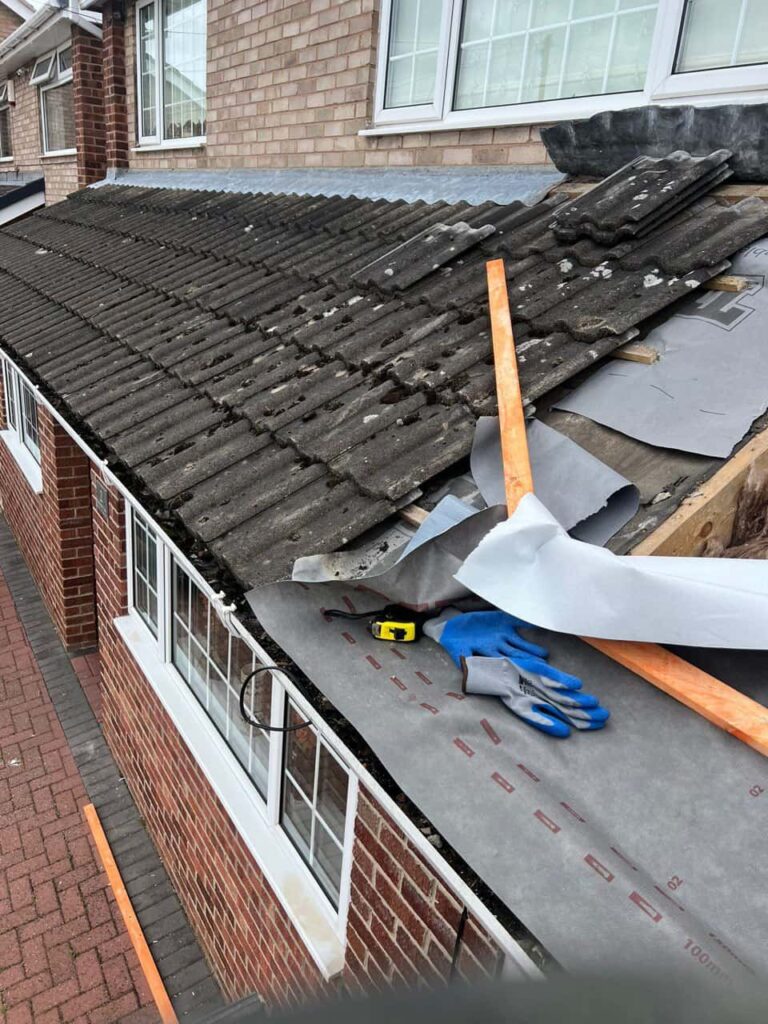
Chimney leaks are among the most common roofing problems that homeowners encounter, but they’re also one of the most misunderstood. Many assume that water always enters through the base of the chimney where it meets the roof — yet, that’s not always the case. Leaks can develop from several areas around a chimney, and identifying the true source requires professional inspection and repair.
At Brownhills Roofing Repairs, we’ve dealt with countless chimney leaks across Brownhills and the wider West Midlands. Understanding how and why these leaks occur is essential to protecting your home from costly water damage and ensuring the longevity of your roof.
Understanding the Chimney’s Structure
A chimney is more than just a stack of bricks. It’s an integrated system of materials designed to vent smoke safely while remaining watertight where it connects to your roof. The key components include:
- Chimney stack: The visible brick or stone structure above the roofline.
- Flue and liner: The internal channel that carries smoke out of the home.
- Chimney crown: The concrete or stone cap that seals the top of the chimney.
- Lead flashing: The metal sheeting that seals the joint between the roof and chimney base.
- Mortar joints: The cement holding the brickwork together.
A leak can occur in any of these areas, which is why it’s incorrect to assume that every issue starts at the base.
Common Reasons for Chimney Leaks
1. Damaged or Deteriorated Flashing
Lead flashing is the most common culprit when water appears to be seeping around the chimney’s base. Over time, flashing can crack, lift, or corrode due to constant exposure to the elements. When this happens, rainwater can easily penetrate the gap between the roof tiles and chimney.
At Brownhills Roofing Repairs, we often find that poor workmanship during the initial installation is a leading cause of recurring flashing leaks. Correctly fitted lead flashing with sealed joints is crucial for long-term protection.
2. Cracked Chimney Crown
Water can also enter through the top of the chimney if the crown — the protective layer that sits above the flue — is cracked or deteriorated. These cracks allow rainwater to seep in, where it can travel down through the brickwork and appear as damp patches near the chimney base.
Without close inspection, this type of leak can easily be mistaken for flashing failure. Professional roofers identify the difference through moisture tracking and structural assessment.
3. Porous Brickwork or Failing Mortar
Brick and mortar naturally absorb moisture over time, especially in older chimneys that have weathered years of frost, rain, and heat. Once saturated, the brickwork begins to leak internally. During cold weather, this moisture freezes and expands, causing even more cracks and deterioration.
Repointing and waterproofing the chimney are essential maintenance steps that prevent such leaks. The team at Brownhills Roofing Repairs regularly restores brickwork to ensure your chimney remains watertight and stable.
4. Blocked or Damaged Flue
If the chimney flue becomes blocked or damaged, it can trap condensation and force moisture back through the internal walls of the chimney. This issue is less visible from the outside but can cause staining, damp smells, or interior ceiling damage.
A blocked flue also affects ventilation, which can accelerate moisture retention. Regular inspections by professionals help identify and resolve such problems before they worsen.
5. Inadequate Guttering or Roof Drainage
Sometimes, water leaking near the chimney isn’t due to the chimney at all. Poorly positioned guttering or roof valleys can channel rainwater toward the chimney stack, where it pools around the base and finds its way inside.
Ensuring that your roof’s drainage system directs water away from vulnerable areas is vital to preventing these types of leaks. Brownhills Roofing Repairs can assess your roof layout and make necessary adjustments to improve water flow.
How to Identify a Chimney Leak Early
Spotting a chimney leak early can prevent extensive roof and interior damage. Look out for these warning signs:
- Damp patches or staining near the chimney breast indoors.
- Watermarks on ceilings or attic beams.
- Efflorescence (white, powdery deposits) on exterior brickwork.
- Crumbling mortar or visible cracks in the chimney stack.
- Rust stains around the flue or flashing area.
- Musty odours from trapped moisture.
If you notice any of these symptoms, it’s best to arrange a professional inspection as soon as possible.
Why Professional Chimney Leak Repairs Are Essential
DIY sealants or quick fixes might seem like an easy solution, but they rarely address the underlying problem. Only experienced roofers have the expertise and equipment to correctly identify the cause of a chimney leak and repair it effectively.
At Brownhills Roofing Repairs, our specialists use a combination of roof-level inspection, moisture tracing, and material assessment to locate leaks precisely. Whether the issue lies in the flashing, crown, or brickwork, we provide tailored repairs that restore complete watertight protection.
Preventing Future Chimney Leaks
Once a leak has been repaired, it’s important to prevent it from recurring. Here are some professional recommendations to keep your chimney secure:
- Schedule regular roof and chimney inspections, especially after storms.
- Keep gutters clear and ensure rainwater drains away properly.
- Replace deteriorated mortar through repointing before cracks worsen.
- Apply breathable, water-repellent coatings to brickwork if necessary.
- Ensure that flashing and roof seals remain intact and free from corrosion.
Routine maintenance from experts like Brownhills Roofing Repairs helps extend the life of both your roof and chimney.
The Truth: Not All Chimney Leaks Start at the Base
While many homeowners associate chimney leaks with problems at the base, the reality is that water can enter from multiple points — including the crown, mortar joints, or even roof drainage. Identifying the real source is crucial for an effective repair that lasts.
A professional inspection ensures that the cause is correctly diagnosed and resolved, preventing ongoing dampness and structural issues.
Conclusion
Chimney leaks don’t always start around the base, but when they do occur, they should never be ignored. Whether caused by damaged flashing, cracked crowns, or porous brickwork, these issues can lead to significant roof and interior damage over time.
At Brownhills Roofing Repairs, we specialise in diagnosing and repairing chimney leaks across Brownhills and the West Midlands. With our experience, attention to detail, and commitment to quality, we ensure your chimney and roof remain secure, weather-resistant, and built to last.
Call us on: 01543 222 994
Click here to find out more about Brownhills Roofing Repairs
Click here to complete our contact form and see how we can help with your roofing needs.