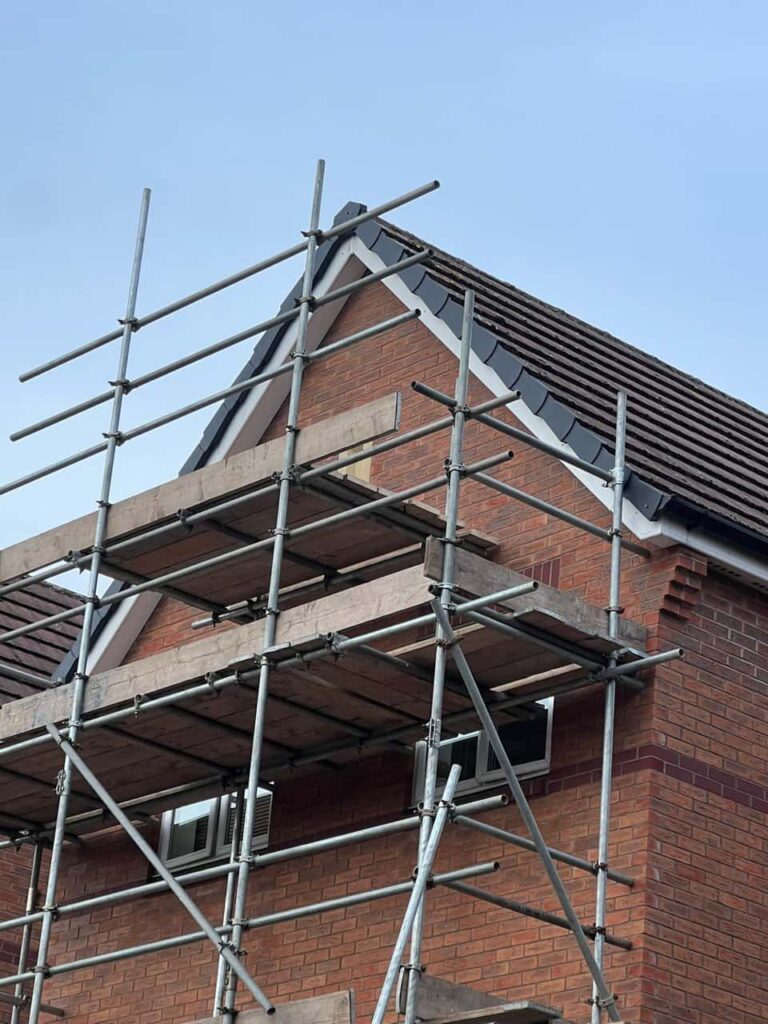
A slipped roof tile can look like a small, manageable issue, especially from ground level. For homeowners in Brownhills, West Midlands, it is tempting to consider a quick DIY fix to put the tile back into place. However, what appears straightforward often involves hidden risks that can lead to further damage or personal injury if not handled correctly.
At Brownhills Roofing Repairs, we regularly attend properties where a minor slipped tile has developed into a more serious roofing problem due to attempted DIY repairs.
Why slipped tiles should never be ignored
How a single slipped tile affects the roof
Roof tiles are designed to work as a complete system. When one tile moves out of position, it can expose the underlay and roof battens beneath. This allows wind-driven rain to penetrate the roof structure, increasing the risk of damp patches, timber decay and internal water damage.
In Brownhills, where weather conditions can change quickly, even a small opening in the roof covering can lead to ongoing issues if left unresolved.
The risk of further movement
A slipped tile is often a sign that fixings have weakened or that surrounding tiles are under stress. Simply repositioning one tile without checking the wider area may leave other tiles vulnerable, increasing the likelihood of repeat problems during high winds.
The risks involved in DIY slipped tile repairs
Working at height without proper equipment
Roof work is inherently dangerous. Even single-storey properties present a fall risk, particularly when working on sloped surfaces. Without suitable access equipment, secure footing and experience, attempting to reach a slipped tile can be unsafe.
Many DIY accidents occur not because of the repair itself, but due to unstable ladders, poor balance or unexpected tile movement underfoot.
Potential damage to surrounding tiles
Roof tiles can crack or dislodge easily when walked on incorrectly. A DIY attempt may accidentally damage neighbouring tiles, leading to multiple slipped or broken tiles that were not present before. This can increase the overall extent of the issue rather than resolving it.
Missing underlying roofing issues
A slipped tile is sometimes a symptom rather than the root cause. Deteriorated battens, worn fixings or previous poor workmanship can all contribute. Without a professional inspection, these underlying problems may go unnoticed, allowing damage to continue beneath the surface.
Why professional repair is the safer option
Correct assessment and secure repair
Professional roofers are trained to identify why a tile has slipped and whether surrounding areas are affected. This ensures the repair addresses the cause of the problem, not just the visible result. Tiles are secured correctly, reducing the likelihood of repeat movement.
Protecting the roof’s long-term condition
A proper repair helps maintain the roof’s weather resistance and structural integrity. For homeowners in Brownhills, this means greater peace of mind during periods of heavy rain or strong winds, knowing the roof is performing as it should.
Efficient and reliable results
Experienced roofers work efficiently, using the right methods and materials to restore the roof safely. This avoids unnecessary disturbance to the rest of the roof covering and helps preserve its overall lifespan.
Conclusion
While a slipped tile may appear to be a minor issue, attempting a DIY repair can expose homeowners to safety risks and the possibility of causing further damage to the roof. What seems like a simple fix often requires professional knowledge to ensure the roof remains secure and weatherproof.
If you have noticed a slipped or displaced tile on your property in Brownhills, West Midlands, Brownhills Roofing Repairs can provide a thorough assessment and carry out the repair safely and effectively. Getting expert help early can prevent a small roofing issue from turning into a more serious problem.
Call us on: 01543 222 994
Click here to find out more about Brownhills Roofing Repairs
Click here to complete our contact form and see how we can help with your roofing needs