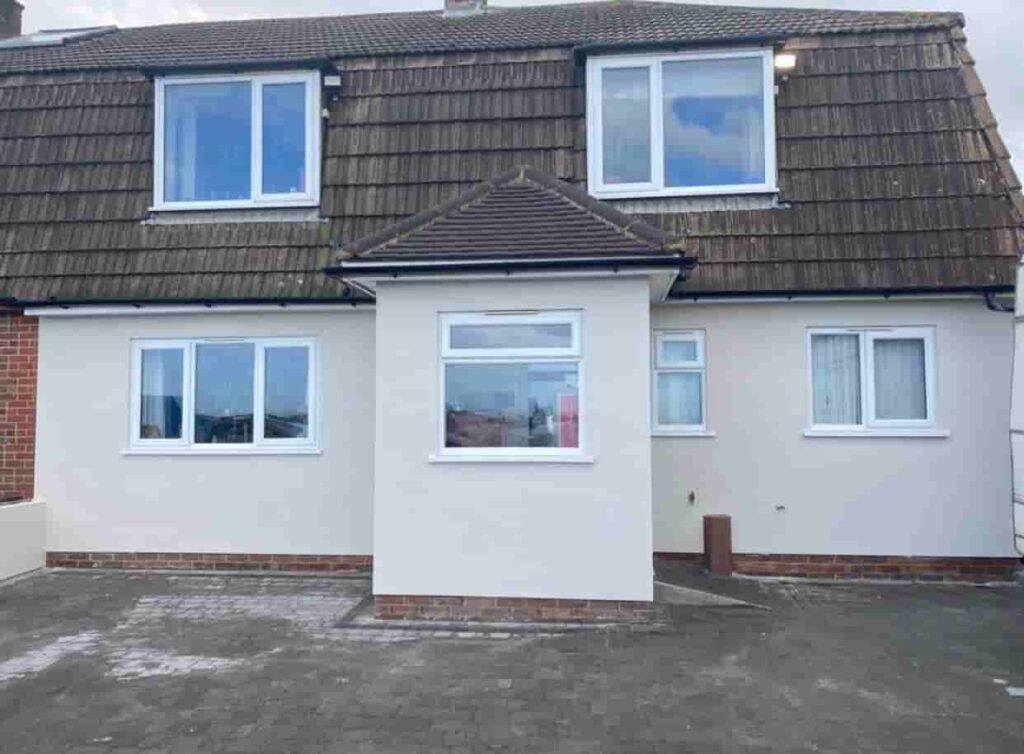
Roof defects rarely improve without attention, but some warning signs are more urgent than others. Active water ingress, unstable materials and changes to the roofline should take priority because they may indicate that the property is already exposed or that part of the roofing system has moved.
Less dramatic signs, such as cracked mortar or a single displaced tile, still deserve prompt investigation. Addressing them early can help prevent moisture from reaching the underlay, battens, insulation and internal finishes.
How to Prioritise Roof Repair Warning Signs
Active Water Ingress Requires Immediate Attention
Water dripping through a ceiling, running down a wall or entering the roof space shows that the weatherproofing has been breached. The source may be a damaged tile, failed flashing, split covering or defective roof junction.
The visible damp may not be directly beneath the defect because water can travel along underlay and timbers before appearing indoors. A professional inspection should therefore trace the route of entry rather than treating only the internal stain.
A Sagging Roofline or Ceiling Should Not Be Ignored
A roofline that has suddenly dipped or changed shape may indicate movement within the supporting structure. Internally, a bowed or swollen ceiling can suggest that water has accumulated above it.
People should keep clear of visibly distorted areas and arrange an assessment promptly. Pressing or puncturing a bulging ceiling may release water or disturb weakened material.
Loose or Falling Roofing Materials Are a Priority
Tiles, slates, mortar and sections of flashing can become unstable through weathering, movement or strong winds. Material found on the ground may be evidence that neighbouring components are also insecure.
Avoid standing beneath the affected roof edge or attempting repairs from a ladder. A roofer can check how far the movement extends and secure the area appropriately.
Missing, Slipped or Lifted Tiles Need Early Repair
A single displaced tile may appear minor, particularly if no leak is visible. However, it can expose the underlay and edges of surrounding tiles to direct rainfall and wind.
The opening may widen if nearby fixings or battens have also deteriorated. Early repair can restore the covering before water affects concealed components beneath it.
Damaged Flashing Can Cause Persistent Leaks
Flashing protects junctions around chimneys, walls, rooflights and changes between roof sections. Cracks, lifting edges and separation from adjoining surfaces can create narrow but effective routes for water.
Leaks caused by defective flashing may occur only during wind-driven or prolonged rain. Because these junctions are complex, the surrounding materials should be checked as part of the repair.
Repeated Damp Patches Suggest an Unresolved Defect
A stain that disappears during dry weather and returns after rain should not be dismissed. Intermittent damp often means that water is entering only under specific conditions, such as a particular wind direction or rainfall intensity.
Repeated symptoms may indicate that an earlier repair addressed the wrong area or that more than one component has deteriorated. Careful leak detection is important before further work begins.
Cracked Ridge, Hip or Verge Mortar Should Be Checked
Mortar helps secure and weatherproof exposed roof details. Once it cracks, crumbles or separates from the tiles, moisture can enter the gaps and continued movement can loosen larger sections.
Surface patching may not be sufficient when the underlying bedding has failed. A professional assessment can determine whether local repointing or more complete renewal is needed.
Flat Roof Blisters, Splits and Lifting Edges Can Progress
Flat roof defects may begin as small cracks, raised areas or separated seams. Water can collect around these weaknesses and gradually penetrate the covering.
Damage near outlets, edges and junctions deserves particular attention because these areas regularly handle water or connect different materials. Softness or distortion under the covering may suggest that moisture has already affected the layer beneath.
Blocked or Overflowing Gutters Can Affect the Roof Edge
Gutters that overflow during rainfall may direct water towards fascia boards, soffits and the lower edge of the roof. The cause could be debris, restricted outlets, poor alignment or movement in the guttering.
Although this may not be a defect in the main roof covering, continued overflow can contribute to dampness and material deterioration. Drainage problems should therefore be addressed before they affect adjoining components.
Daylight in the Roof Space Indicates an Opening
Visible daylight from inside the roof space may reveal a missing tile, gap around a junction or displaced section of covering. Some ventilation details are intentional, so the location needs to be assessed correctly.
If the opening has appeared recently or aligns with signs of moisture, arrange an inspection rather than waiting for an internal leak to develop.
Which Signs Can Be Monitored Briefly?
Minor surface weathering, light moss growth or older staining that remains completely dry may not require emergency work. However, monitoring should not replace assessment when the cause is uncertain.
Record when symptoms appear, note the weather conditions and safely photograph visible changes from ground level. This information can help a roofer distinguish between a stable condition and active deterioration.
Why a Professional Inspection Matters
Several roofing problems can produce similar internal symptoms. A ceiling stain might result from a tile defect, failed flashing, a blocked valley or moisture travelling from a more distant point.
A professional inspection considers the roof covering, junctions, drainage routes and accessible internal areas together. This helps ensure that repair work addresses the source rather than only the visible effect.
Conclusion
Active leaks, sagging areas and unstable materials should receive immediate attention. Slipped tiles, defective flashing, cracked mortar and recurring damp should also be investigated promptly before they develop into more extensive roofing problems.
Brownhills Roofing Repairs provides professional roof inspections and repairs in Brownhills, West Midlands. If you have noticed changes to your roof or signs of water ingress, contact our team to arrange an assessment and identify the appropriate repair.
Call us on: 01543 222 994
Click here to find out more about Brownhills Roofing Repairs
Click here to complete our contact form and see how we can help with your roofing needs.